
STEM Lab - Gushy Mushy Slippery
Hands-on water science turns centrifugal force, an explosive reaction, and squishy oobleck into playful experiments for grades K–5. Young scientists explore surprising liquid behaviors through messy, tactile discovery.
Similar Events
Hands-on robotics experiments explore robots in space, creative art bots, and engineering a working prototype. Designed for elementary-age children and tweens, the lab blends science, art, and inventive problem-solving.
Hands-on robotics experiments explore robots in space, creative art bots, and engineering a working prototype. Designed for elementary-age children and tweens, the lab blends science, art, and inventive problem-solving.
Hands-on robotics experiments explore robots in space, creative art bots, and engineering a working prototype. Designed for elementary-age children and tweens, the lab blends science, art, and inventive problem-solving.
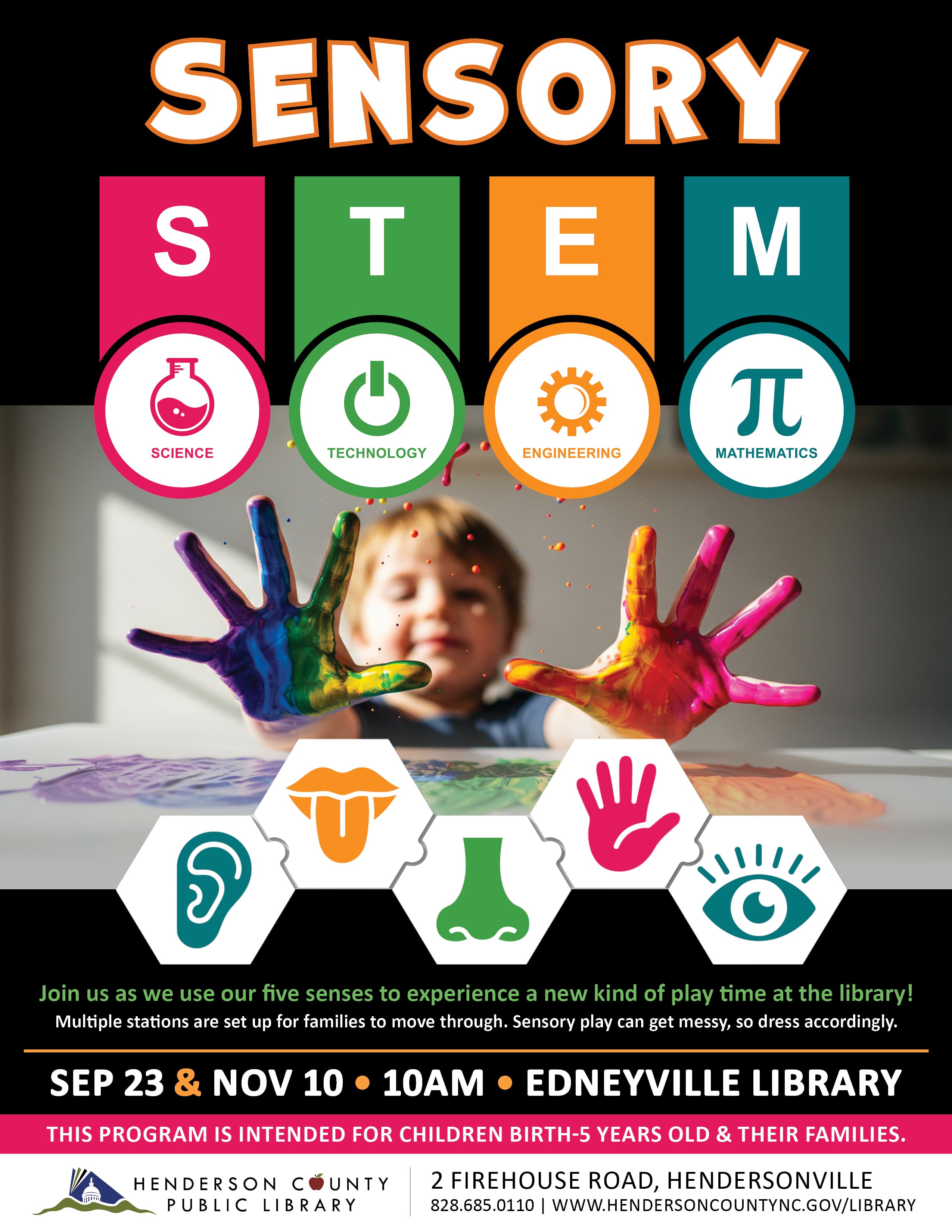
Sensory STEM
MoreHands-on sensory stations invite babies, toddlers, preschoolers, and caregivers to explore STEM through touch, sight, sound, smell, and taste, with playful activities that may get delightfully messy.
Hands-on sensory stations invite babies, toddlers, preschoolers, and caregivers to explore STEM through touch, sight, sound, smell, and taste, with playful activities that may get delightfully messy.
Hands-on sensory stations invite babies, toddlers, preschoolers, and caregivers to explore STEM through touch, sight, sound, smell, and taste, with playful activities that may get delightfully messy.
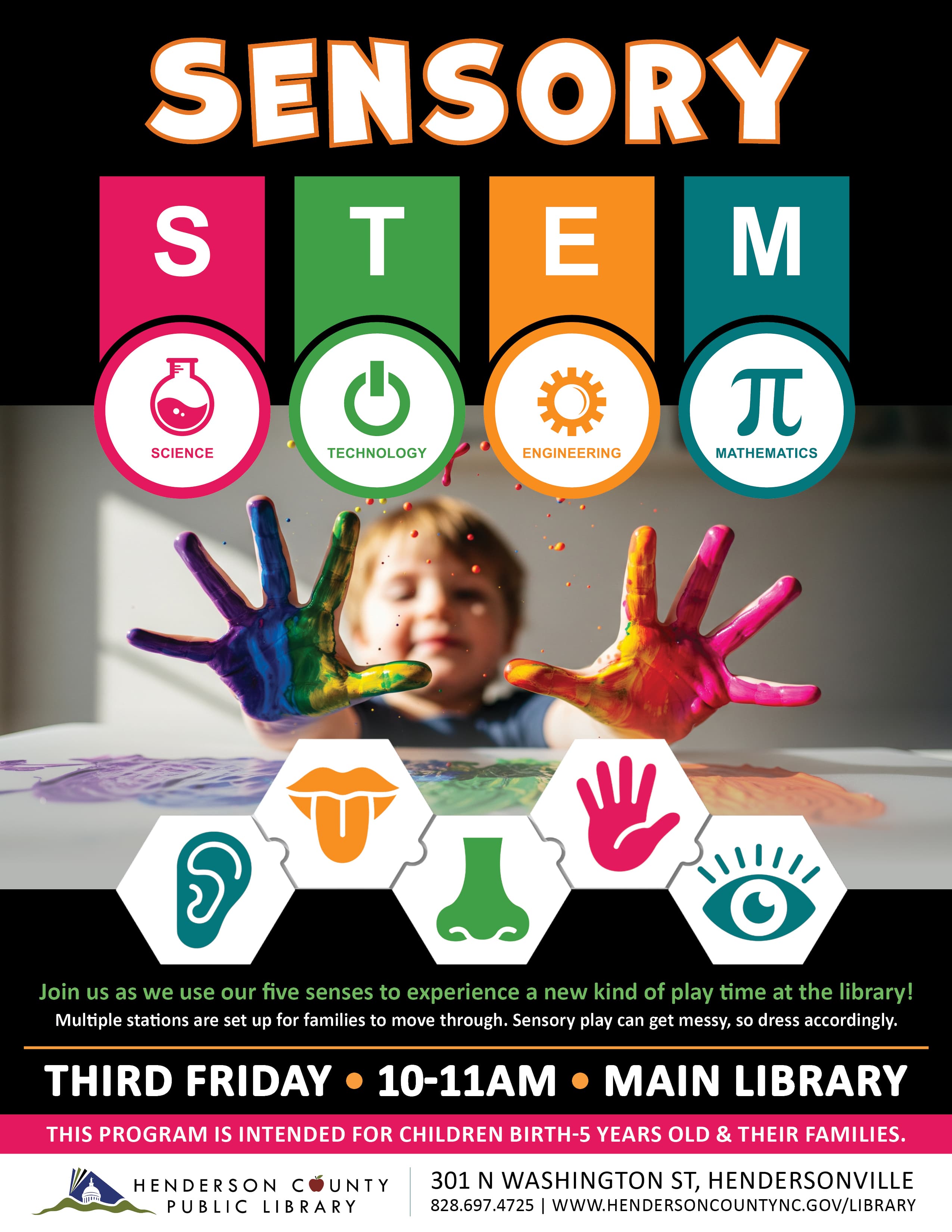
Sensory STEM
MoreMessy, hands-on stations invite young children to explore early STEM concepts through sight, sound, touch, taste, and smell, with caregivers moving through playful sensory activities together.
Messy, hands-on stations invite young children to explore early STEM concepts through sight, sound, touch, taste, and smell, with caregivers moving through playful sensory activities together.
Messy, hands-on stations invite young children to explore early STEM concepts through sight, sound, touch, taste, and smell, with caregivers moving through playful sensory activities together.
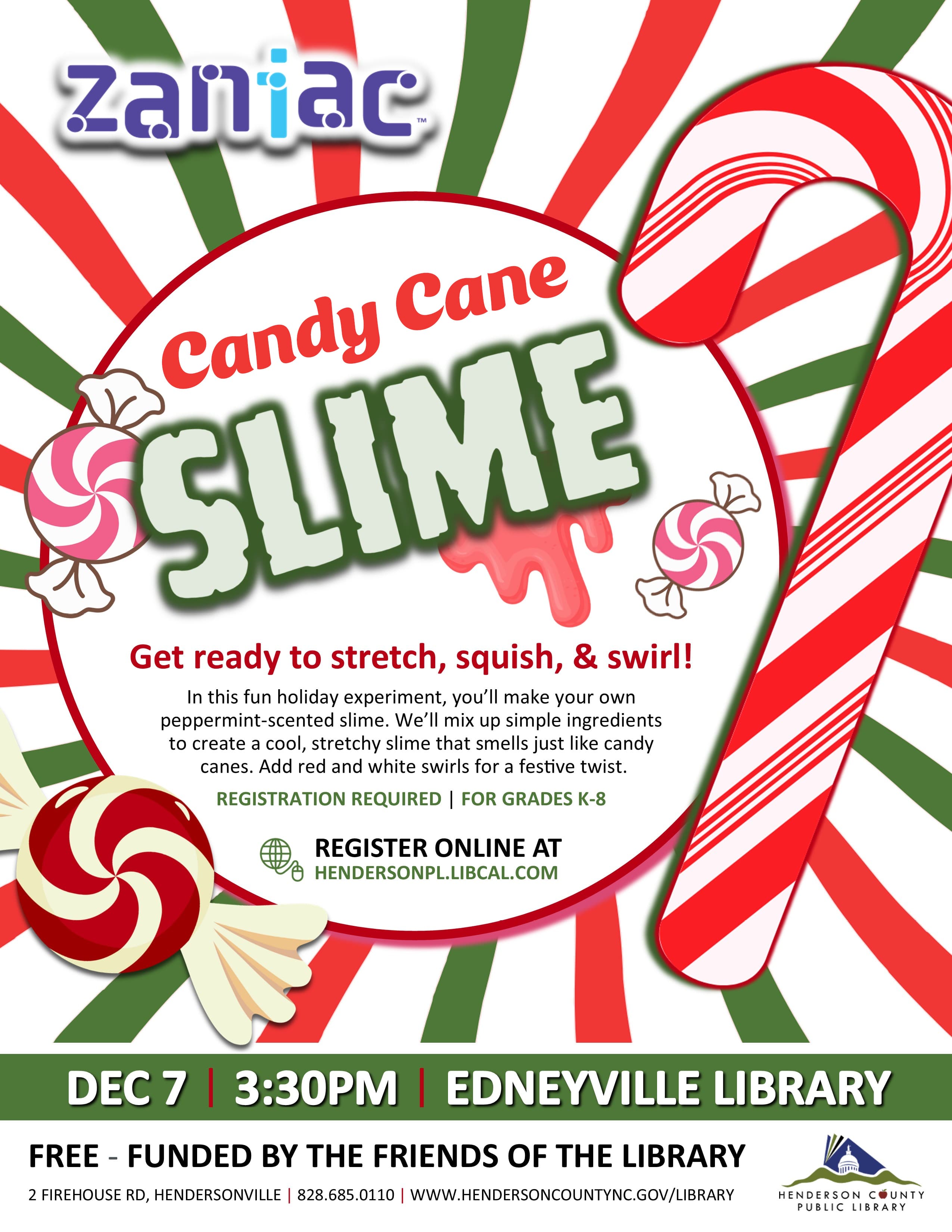
Mix simple ingredients into stretchy, peppermint-scented slime, then add festive red and white swirls. This hands-on sensory science experiment invites K–8 students to explore through creative play.
Mix simple ingredients into stretchy, peppermint-scented slime, then add festive red and white swirls. This hands-on sensory science experiment invites K–8 students to explore through creative play.
Mix simple ingredients into stretchy, peppermint-scented slime, then add festive red and white swirls. This hands-on sensory science experiment invites K–8 students to explore through creative play.
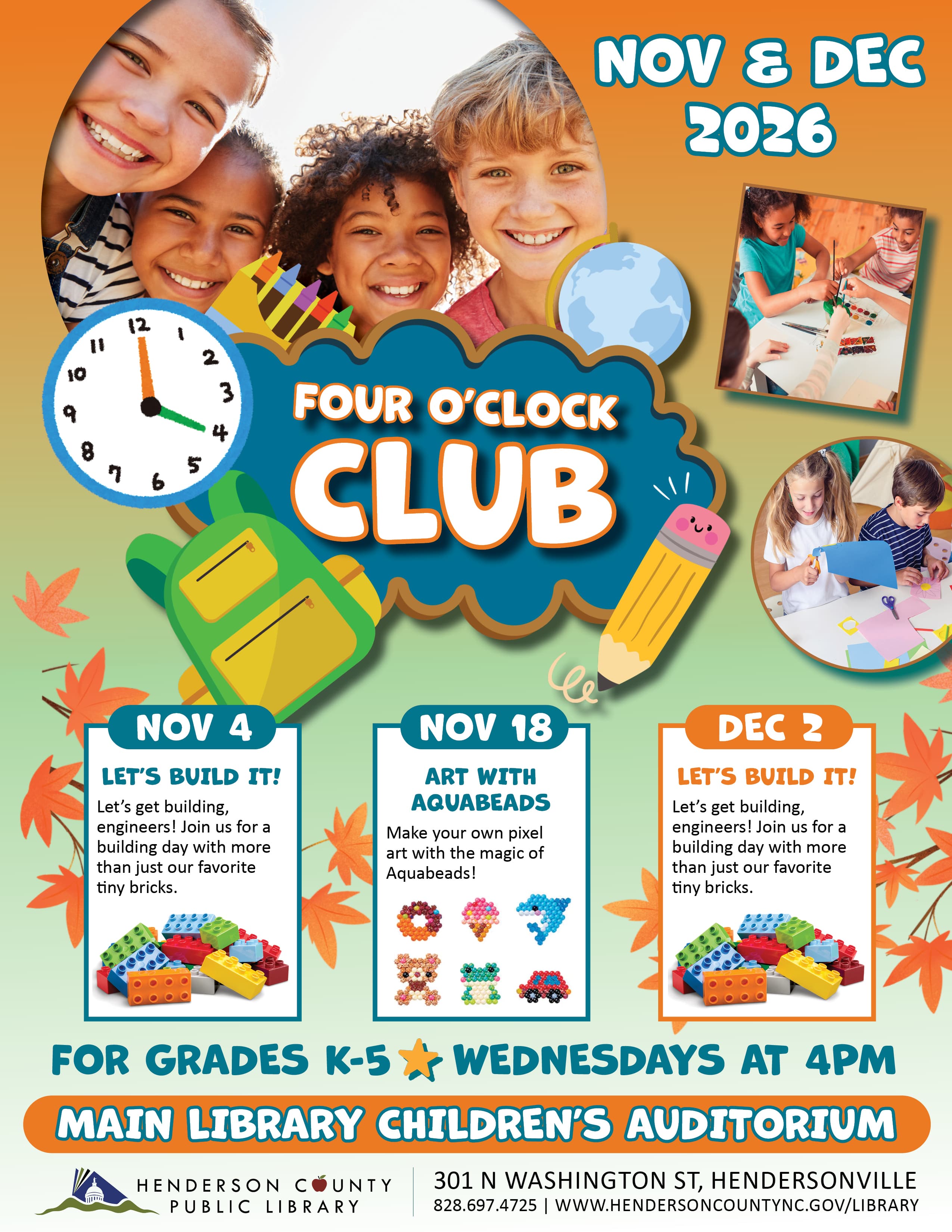
Hands-on engineering challenges invite children in kindergarten through fifth grade to build with more than tiny bricks, exploring creative problem-solving and construction in a library setting.
Hands-on engineering challenges invite children in kindergarten through fifth grade to build with more than tiny bricks, exploring creative problem-solving and construction in a library setting.
Hands-on engineering challenges invite children in kindergarten through fifth grade to build with more than tiny bricks, exploring creative problem-solving and construction in a library setting.
LEGO Club
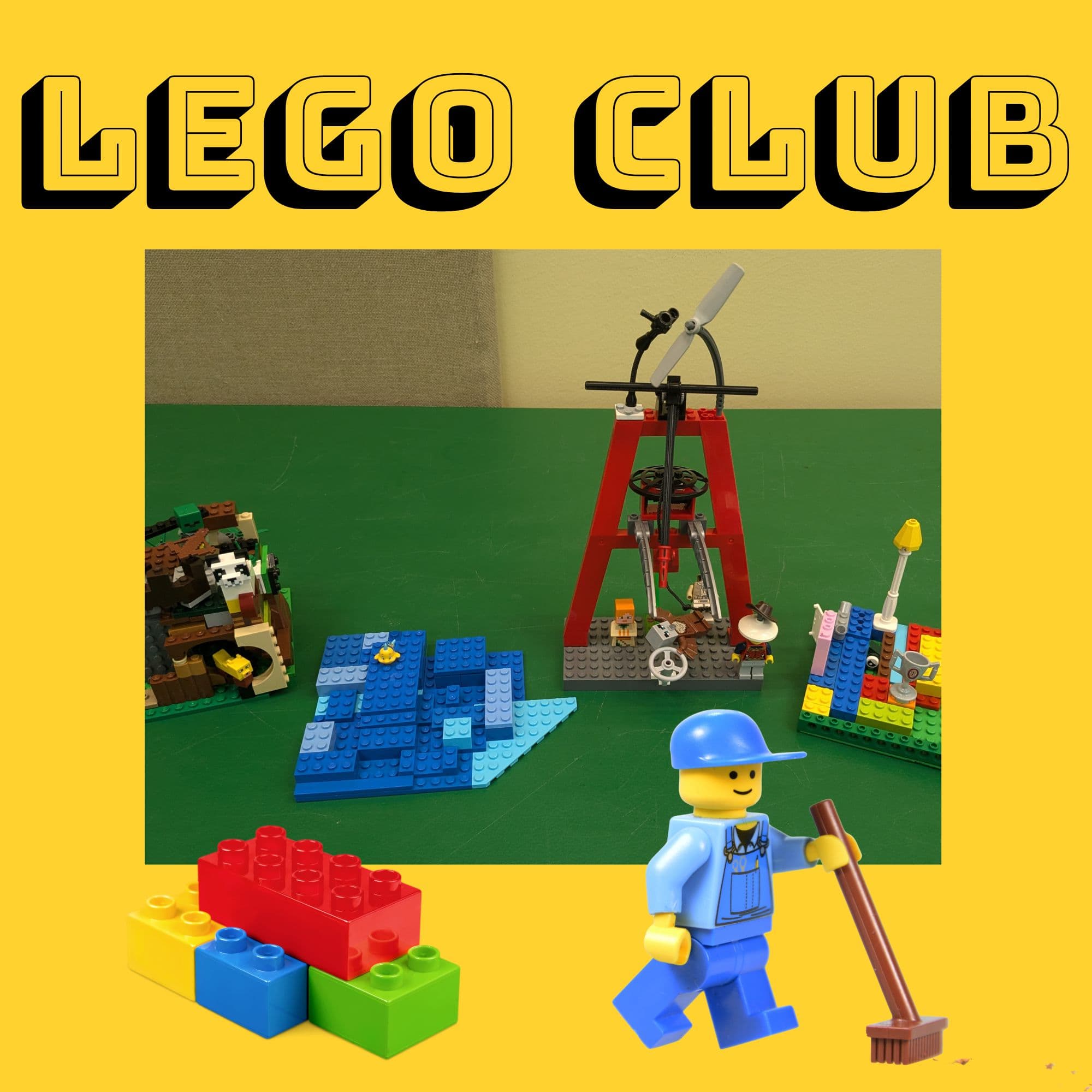
MoreElementary students build imaginative LEGO creations, practice hands-on problem-solving, and share ideas with fellow young builders. Bricks are provided for this friendly, creativity-focused library meetup.
Elementary students build imaginative LEGO creations, practice hands-on problem-solving, and share ideas with fellow young builders. Bricks are provided for this friendly, creativity-focused library meetup.
Elementary students build imaginative LEGO creations, practice hands-on problem-solving, and share ideas with fellow young builders. Bricks are provided for this friendly, creativity-focused library meetup.
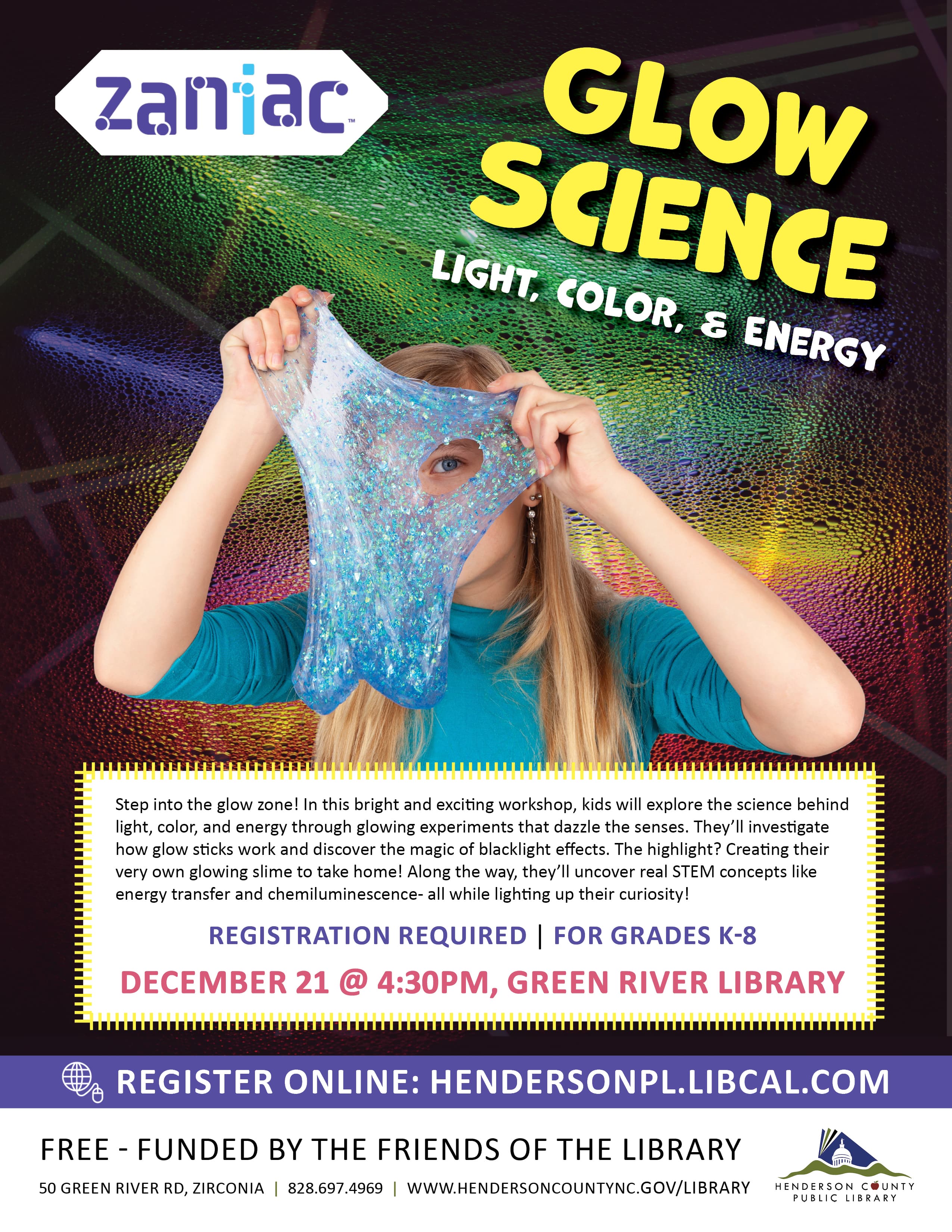
Hands-on STEM experiments reveal how glow sticks work, explore blacklight effects, and demonstrate energy transfer and chemiluminescence. Kids create glowing slime to take home while discovering the science of light and color.
Hands-on STEM experiments reveal how glow sticks work, explore blacklight effects, and demonstrate energy transfer and chemiluminescence. Kids create glowing slime to take home while discovering the science of light and color.
Hands-on STEM experiments reveal how glow sticks work, explore blacklight effects, and demonstrate energy transfer and chemiluminescence. Kids create glowing slime to take home while discovering the science of light and color.
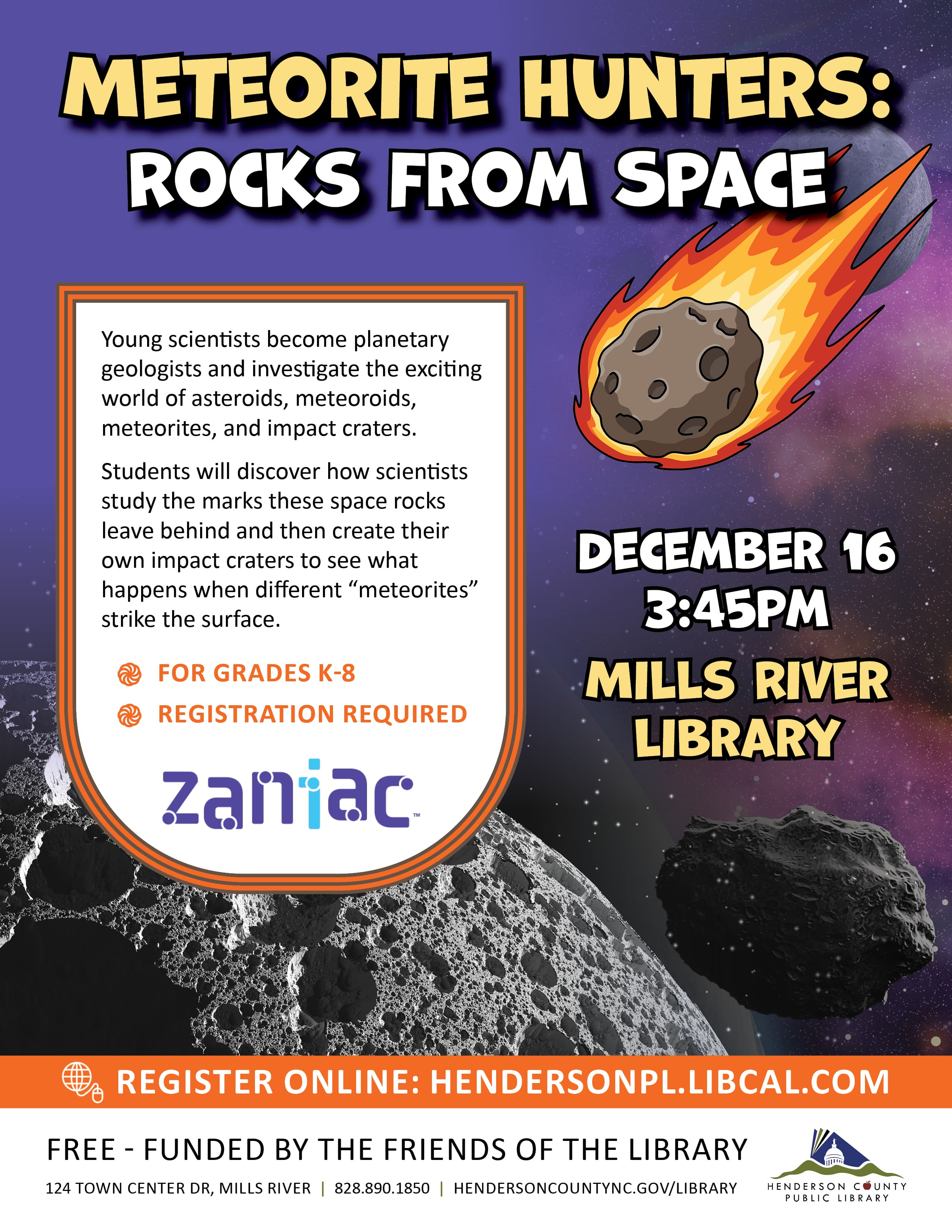
Young scientists explore asteroids, meteoroids, meteorites, and impact craters, then create craters to test how different space rocks strike a surface. Designed for grades K–8; registration is required.
Young scientists explore asteroids, meteoroids, meteorites, and impact craters, then create craters to test how different space rocks strike a surface. Designed for grades K–8; registration is required.
Young scientists explore asteroids, meteoroids, meteorites, and impact craters, then create craters to test how different space rocks strike a surface. Designed for grades K–8; registration is required.

Practice watercolor techniques in a welcoming, hands-on painting class designed for adults. Build foundational skills with all supplies provided; no prior class attendance or painting experience is needed.
Practice watercolor techniques in a welcoming, hands-on painting class designed for adults. Build foundational skills with all supplies provided; no prior class attendance or painting experience is needed.
Practice watercolor techniques in a welcoming, hands-on painting class designed for adults. Build foundational skills with all supplies provided; no prior class attendance or painting experience is needed.

Young readers ages 8–12 explore a shared theme through chapter books, graphic novels, or nonfiction, then turn open-ended discussion into a creative sketchbook activity with supplied materials.
Young readers ages 8–12 explore a shared theme through chapter books, graphic novels, or nonfiction, then turn open-ended discussion into a creative sketchbook activity with supplied materials.
Young readers ages 8–12 explore a shared theme through chapter books, graphic novels, or nonfiction, then turn open-ended discussion into a creative sketchbook activity with supplied materials.
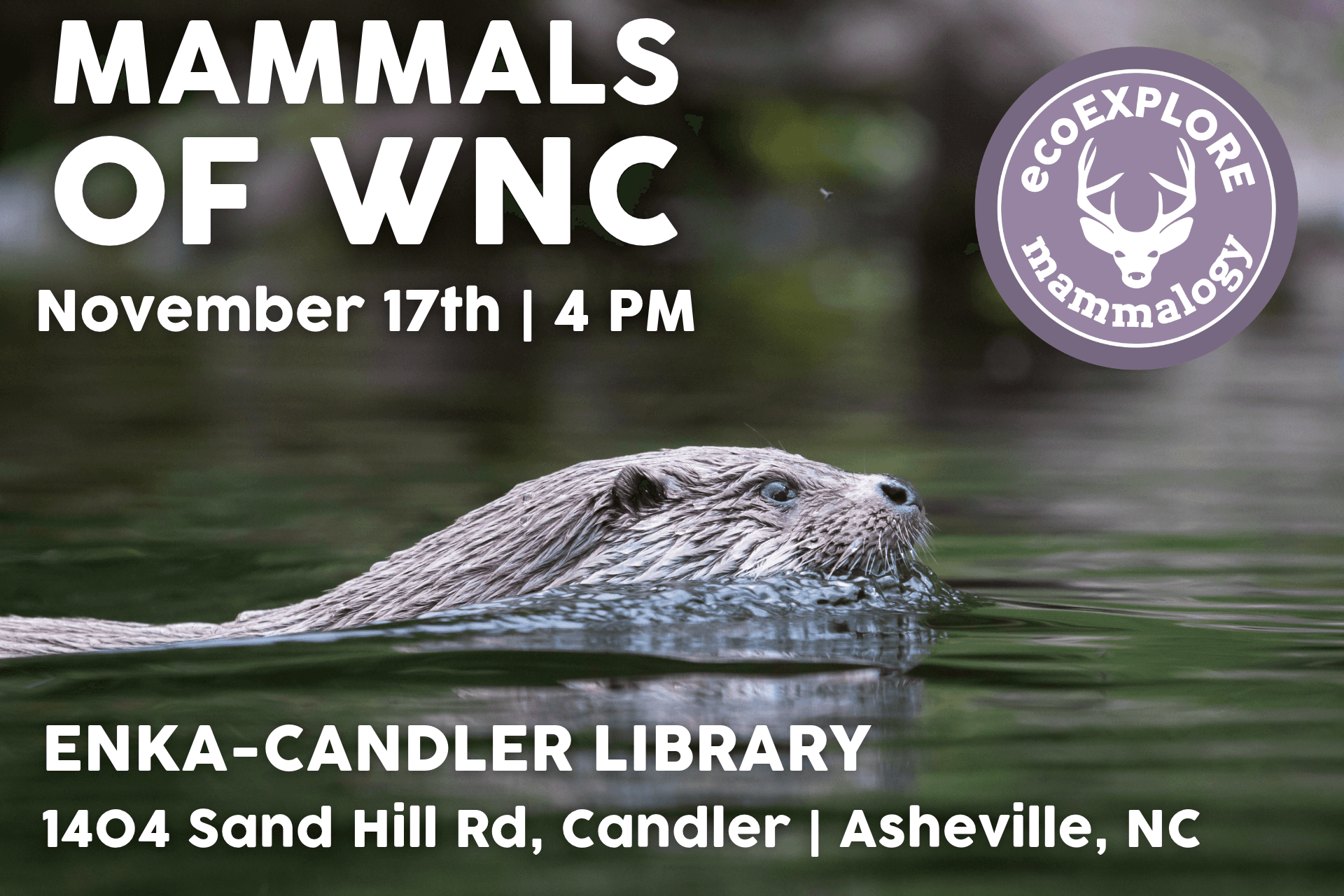
Explore Western North Carolina mammals through questions about hibernation and wildlife signs, with close-up examination of skulls and skins and an introduction to the ecoEXPLORE citizen-science program.
Explore Western North Carolina mammals through questions about hibernation and wildlife signs, with close-up examination of skulls and skins and an introduction to the ecoEXPLORE citizen-science program.
Explore Western North Carolina mammals through questions about hibernation and wildlife signs, with close-up examination of skulls and skins and an introduction to the ecoEXPLORE citizen-science program.
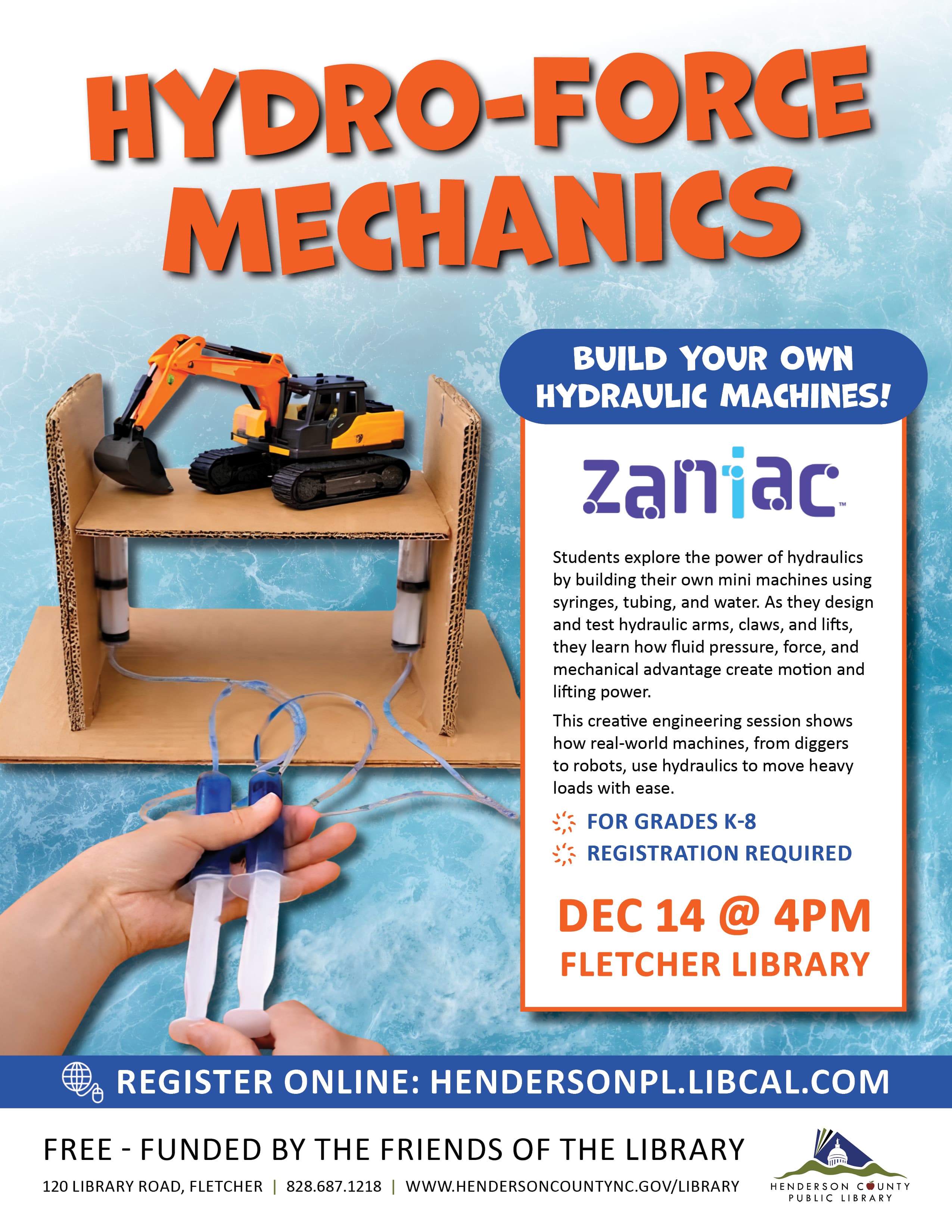
Build mini hydraulic arms, claws, and lifts while exploring fluid pressure, force, and mechanical advantage. This hands-on engineering workshop connects simple experiments to how excavators and robots move heavy loads.
Build mini hydraulic arms, claws, and lifts while exploring fluid pressure, force, and mechanical advantage. This hands-on engineering workshop connects simple experiments to how excavators and robots move heavy loads.
Build mini hydraulic arms, claws, and lifts while exploring fluid pressure, force, and mechanical advantage. This hands-on engineering workshop connects simple experiments to how excavators and robots move heavy loads.

Baby Story Time
MoreLively stories and language-building activities introduce babies ages 4 to 18 months to early literacy. A welcoming setting encourages caregiver-child interaction through playful words, sounds, and shared reading.
Lively stories and language-building activities introduce babies ages 4 to 18 months to early literacy. A welcoming setting encourages caregiver-child interaction through playful words, sounds, and shared reading.
Lively stories and language-building activities introduce babies ages 4 to 18 months to early literacy. A welcoming setting encourages caregiver-child interaction through playful words, sounds, and shared reading.
Young readers ages 8–12 discuss chapter books, graphic novels, or nonfiction around a shared theme, then turn ideas into an open-ended sketchbook art activity with materials provided.
Young readers ages 8–12 discuss chapter books, graphic novels, or nonfiction around a shared theme, then turn ideas into an open-ended sketchbook art activity with materials provided.
Young readers ages 8–12 discuss chapter books, graphic novels, or nonfiction around a shared theme, then turn ideas into an open-ended sketchbook art activity with materials provided.
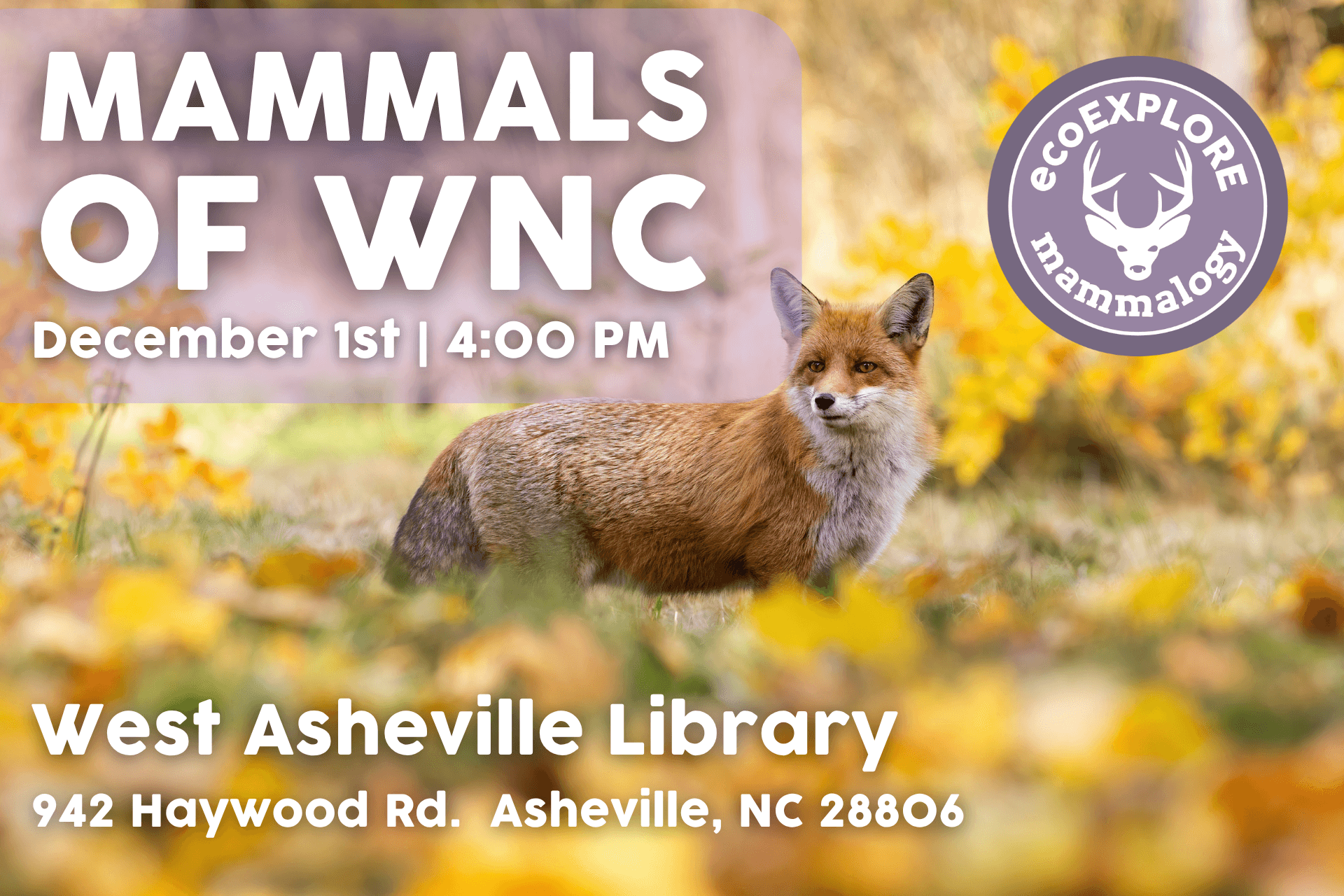
Explore Western North Carolina mammals through questions about hibernation and wildlife tracking, with close-up looks at real skulls and skins and an introduction to the ecoEXPLORE citizen science program.
Explore Western North Carolina mammals through questions about hibernation and wildlife tracking, with close-up looks at real skulls and skins and an introduction to the ecoEXPLORE citizen science program.
Explore Western North Carolina mammals through questions about hibernation and wildlife tracking, with close-up looks at real skulls and skins and an introduction to the ecoEXPLORE citizen science program.
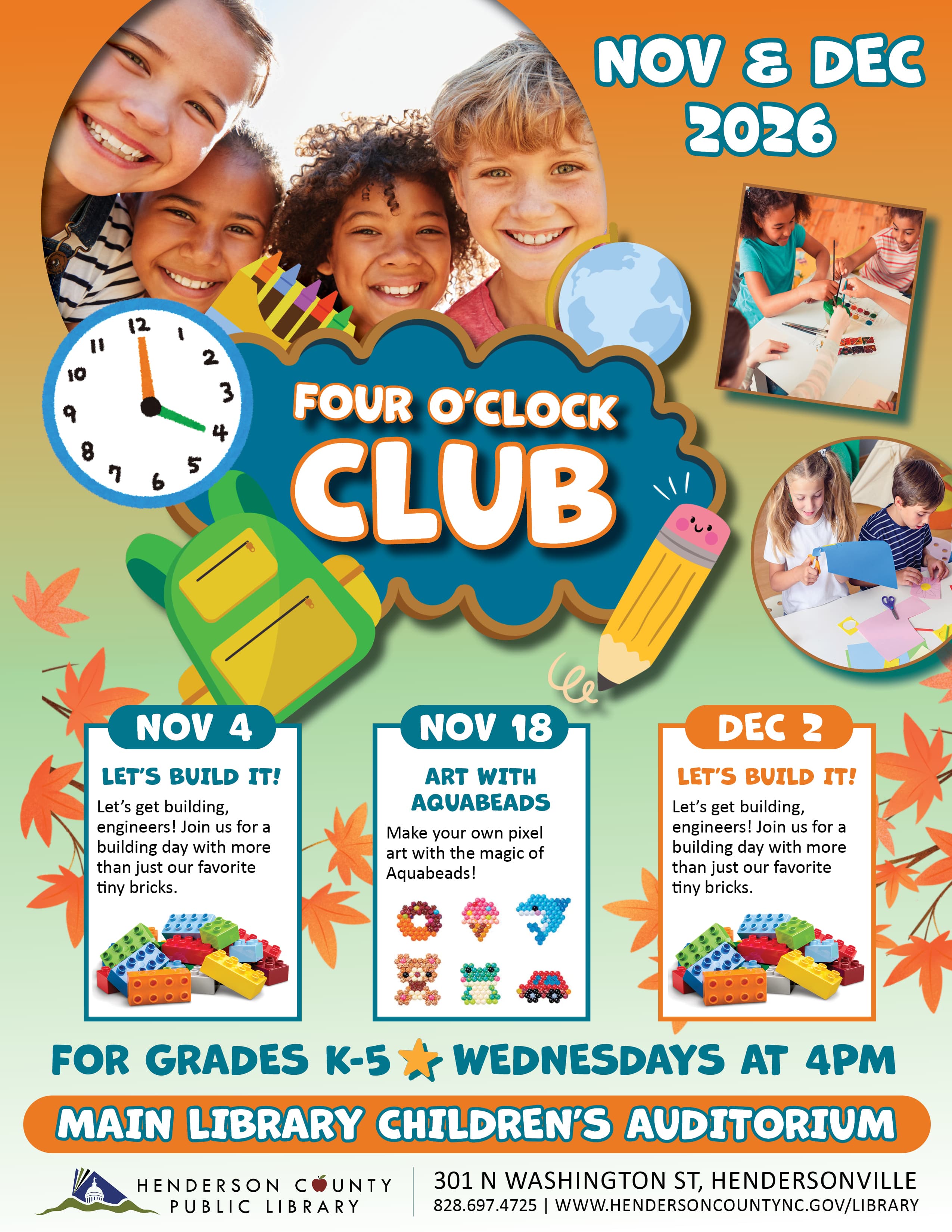
Children in grades K–5 create colorful pixel art with Aquabeads, arranging tiny beads into playful designs in a hands-on, creative activity for elementary-age makers.
Children in grades K–5 create colorful pixel art with Aquabeads, arranging tiny beads into playful designs in a hands-on, creative activity for elementary-age makers.
Children in grades K–5 create colorful pixel art with Aquabeads, arranging tiny beads into playful designs in a hands-on, creative activity for elementary-age makers.

Baby Play Time
MoreBabies ages 4–18 months can crawl through tunnels, explore ball pits, and discover sensory toys during relaxed drop-in play with other infants and their caregivers.
Babies ages 4–18 months can crawl through tunnels, explore ball pits, and discover sensory toys during relaxed drop-in play with other infants and their caregivers.
Babies ages 4–18 months can crawl through tunnels, explore ball pits, and discover sensory toys during relaxed drop-in play with other infants and their caregivers.

Build small cars powered by rubber bands, exploring how stored elastic potential energy becomes motion. A hands-on STEM activity introduces elementary-age children to engineering and kinetic energy.
Build small cars powered by rubber bands, exploring how stored elastic potential energy becomes motion. A hands-on STEM activity introduces elementary-age children to engineering and kinetic energy.
Build small cars powered by rubber bands, exploring how stored elastic potential energy becomes motion. A hands-on STEM activity introduces elementary-age children to engineering and kinetic energy.
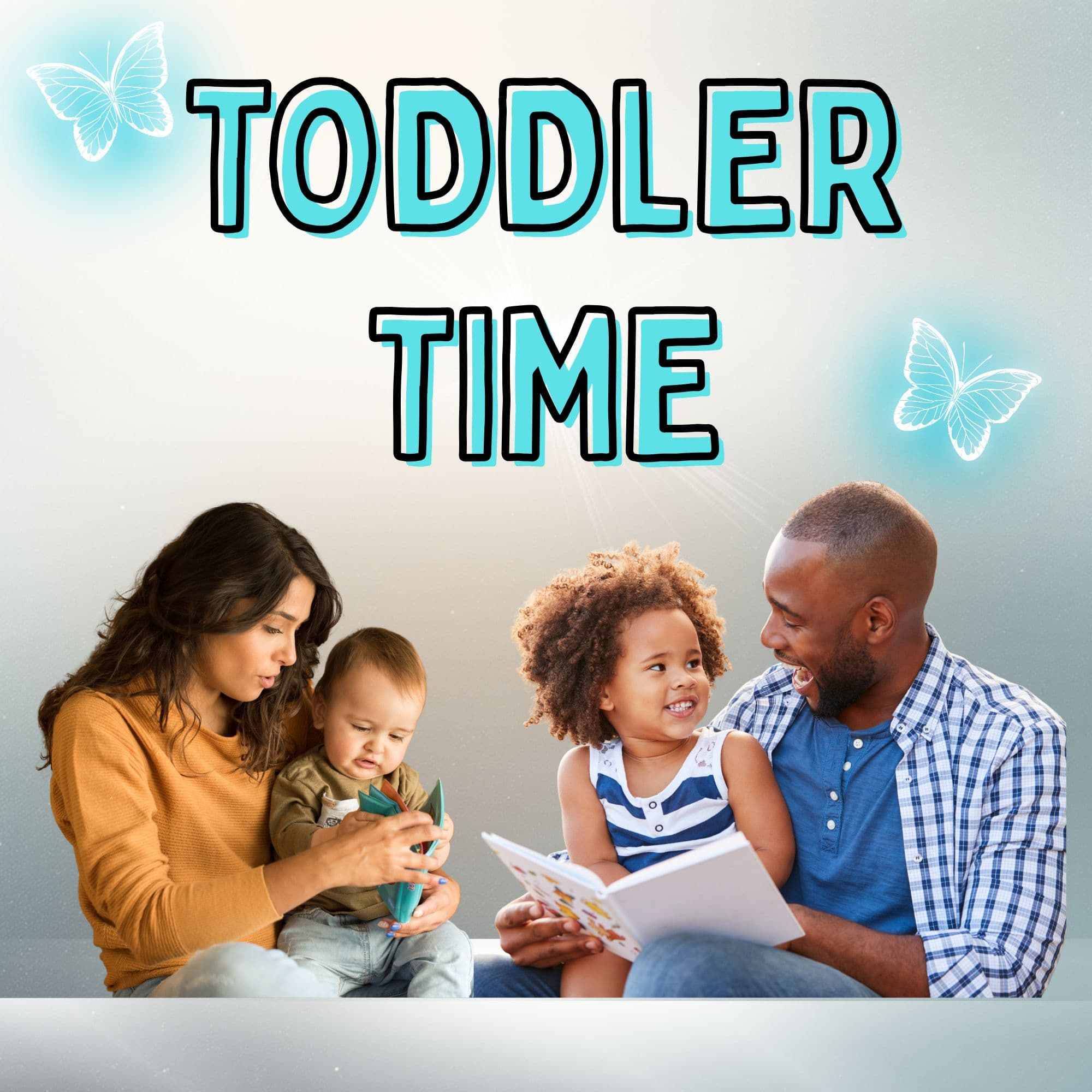
Young children ages 18 months to 3 years engage with stories in an interactive early literacy gathering, designed for toddlers and their caregivers. Arrive early, as room capacity is limited.
Young children ages 18 months to 3 years engage with stories in an interactive early literacy gathering, designed for toddlers and their caregivers. Arrive early, as room capacity is limited.
Young children ages 18 months to 3 years engage with stories in an interactive early literacy gathering, designed for toddlers and their caregivers. Arrive early, as room capacity is limited.
Book Tasting
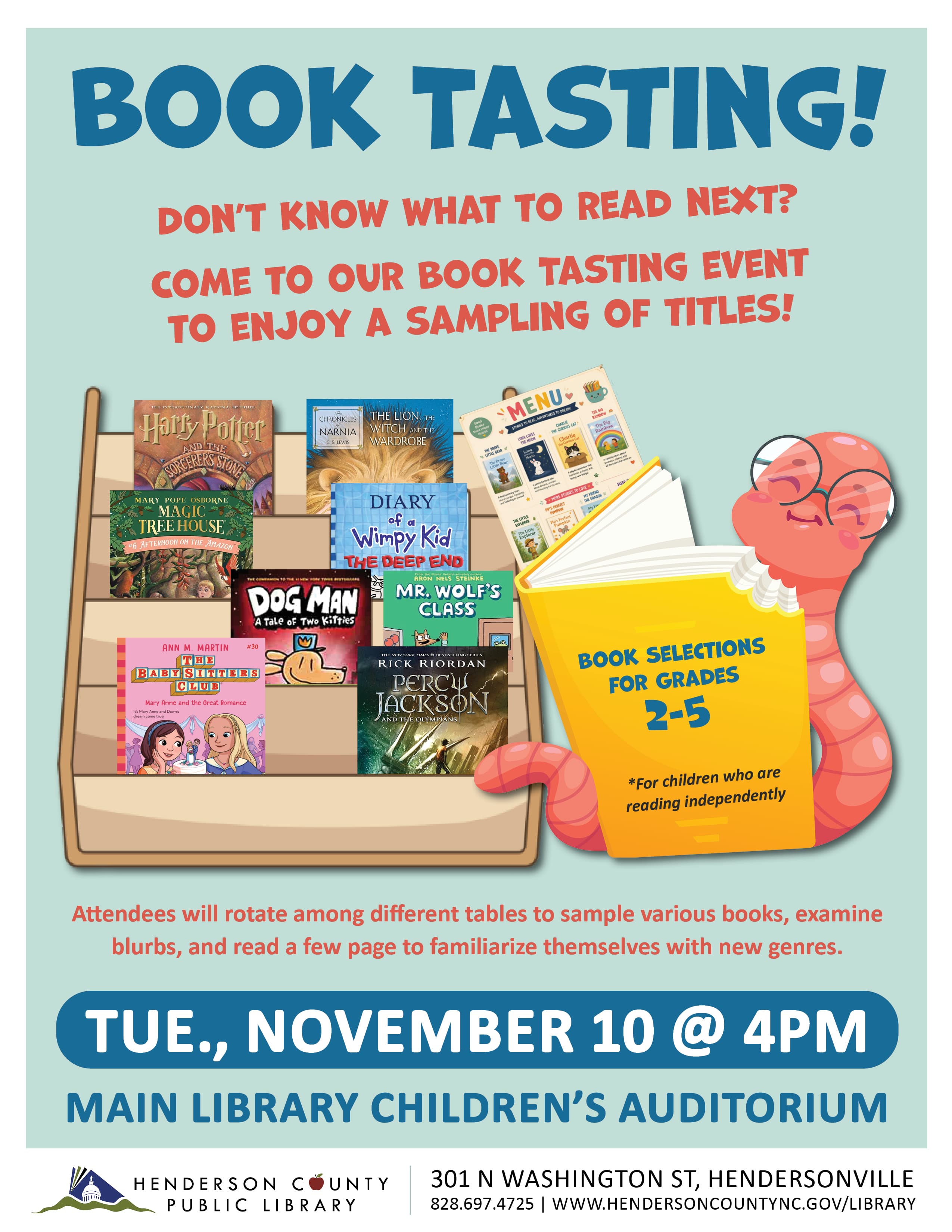
MoreYoung independent readers in grades 2–5 rotate through book tables, sampling blurbs and first pages to discover new genres and find engaging next reads.
Young independent readers in grades 2–5 rotate through book tables, sampling blurbs and first pages to discover new genres and find engaging next reads.
Young independent readers in grades 2–5 rotate through book tables, sampling blurbs and first pages to discover new genres and find engaging next reads.